The Role of Luck in Gambling
Luck is often perceived as a magical force that can swing the outcomes of various games in a casino, from slot machines to table games. Many players walk into a casino believing that luck is their ally, hoping for that fortunate streak to elevate their gaming experience. While the randomness of game mechanics, such as random number generators in slots, does lend credence to the idea of luck influencing outcomes, it’s important to remember that luck is, by nature, unpredictable and casino sites fast withdrawal not a reliable strategy. The thrill of the unexpected can add to the excitement of gambling, but relying solely on luck can lead to disappointment.
The psychological aspect of luck also plays a significant role in how players engage with the games. Believing in luck can lead to a more relaxed gameplay experience, enhancing a player’s enjoyment at the casino. When players feel that luck is on their side, they may be more inclined to take risks and explore different games. However, it’s essential to recognize that the thrill and excitement of gambling should not solely depend on the notion of luck, as this can lead to poor decision-making and possible gambling addiction. Awareness of one’s mindset can be crucial in maintaining a healthy relationship with gambling.
Ultimately, while luck does have a role in individual outcomes at the casino, it doesn’t guarantee long-term success. Understanding the probability and strategy of the games, combined with the ephemeral nature of luck, is crucial for a well-rounded gaming experience. This blend of knowledge and chance can lead to a more enjoyable and sustainable approach to gambling, as players learn to appreciate the nuances of their chosen games while still embracing the unpredictability of luck.
The Mechanics Behind Casino Games
Every casino game is designed with specific odds and house advantages that dictate the results of gameplay. For example, in games like blackjack, players have the opportunity to utilize strategies that can minimize the house edge, thereby increasing their chances of winning independent of luck. The understanding of game mechanics allows players to make educated decisions, potentially altering the outcome of their gaming sessions. In contrast, games such as roulette or slots are primarily luck-based, where the outcomes are random and largely out of the player’s control.
Understanding the mechanics of each game allows players to appreciate how luck interacts with skill and strategy. For instance, a player who knows basic poker strategies can significantly enhance their probabilities of winning compared to a novice player relying solely on luck. This knowledge empowers players to make informed decisions, which can shape their overall experiences at the casino. Familiarity with the rules and strategies can transform a player’s approach, making them feel more in control of their gaming journey.
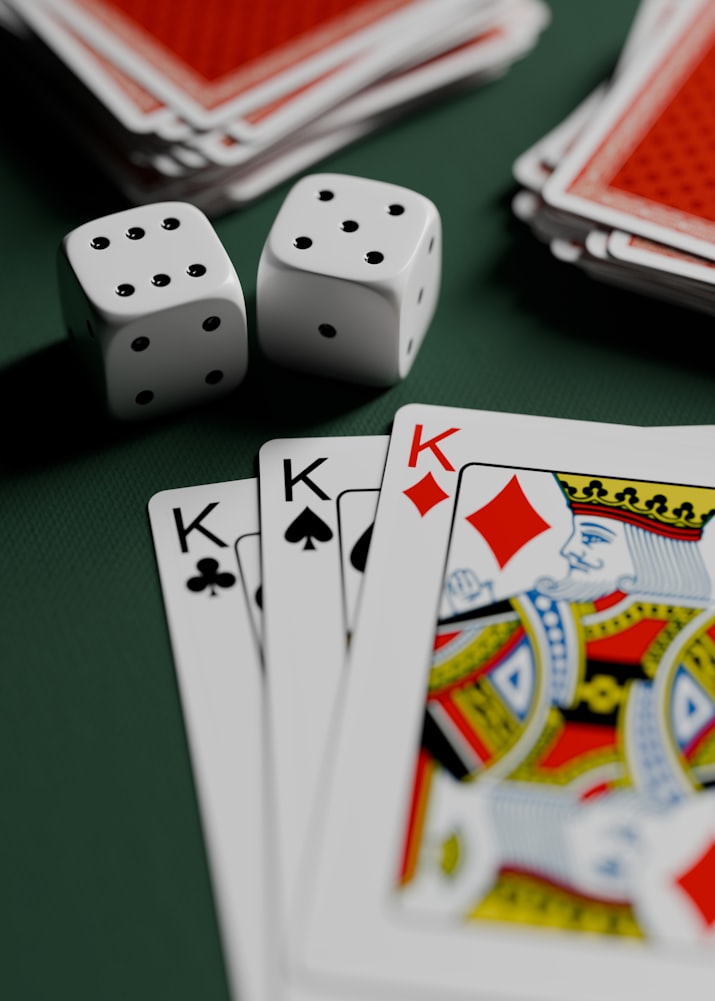
Moreover, the house edge represents the mathematical advantage that the casino has over players in the long run. It is this edge that ensures casinos remain profitable despite occasional player wins. Acknowledging this fundamental aspect of gambling reinforces the idea that while luck might play a role in the short term, it is not the sole factor influencing outcomes in a structured gaming environment. Players who grasp the intricacies of odds and payouts can navigate their experiences with a strategic mindset, balancing luck with skill to maximize their enjoyment.
The Psychological Impact of Luck on Players
Psychology significantly influences how players perceive their experiences in a casino. The belief in luck can lead to a phenomenon known as the ‘gambler’s fallacy,’ where players think they can predict future outcomes based on past events. For instance, if a player sees a certain number not turning up in roulette for a while, they may become convinced that it is ‘due’ to appear soon, when in fact each spin is independent of the previous ones. This misconception can lead to misguided betting patterns and increased frustration.
Furthermore, emotional states can heavily impact a player’s gambling decisions. A lucky streak may boost confidence, prompting players to wager more in hopes of extending their winning momentum. Conversely, a series of losses may engender feelings of frustration or desperation, which can lead players to make impulsive bets to chase their losses. Recognizing these psychological triggers can help players manage their gambling habits more effectively. Understanding the emotional highs and lows of gambling can empower players to maintain a clearer perspective.
Understanding the interplay between luck and psychology can also guide players in developing healthy gaming practices. By separating their emotional responses to wins and losses from their approach to gambling, players can maintain a more balanced perspective, allowing them to enjoy the experience without falling prey to the highs and lows dictated by luck alone. This awareness can lead to a more rewarding experience, where players focus on the entertainment aspect rather than just the outcomes.
Strategies to Mitigate the Role of Luck
When entering a casino, players can adopt various strategies to decrease their reliance on luck. One primary technique is bankroll management. By setting a budget and adhering strictly to it, players can ensure they are not negatively influenced by lucky or unlucky streaks. This discipline allows for a more controlled gambling experience, focusing on enjoyment rather than the outcome of each game. Proper bankroll management can help players enjoy their time without the stress of financial loss.
Another strategy involves selecting games with better odds and implementing optimal strategies. For instance, choosing games like blackjack or poker where skill and strategy can mitigate the house edge empowers players to influence their outcomes. Familiarizing oneself with the intricacies of these games can provide a significant advantage while still accepting that luck will occasionally play its part. This combination of skill and chance can lead to a more fulfilling experience at the tables.
Lastly, players should set realistic expectations regarding winnings. Understanding that gambling should be viewed as entertainment rather than a means of financial gain can help shift the focus away from luck. This mindset encourages players to enjoy the thrill of the experience without the burden of unrealistic outcomes solely reliant on fortune. By embracing gambling as a leisure activity, players can cultivate a healthier relationship with the games.
Exploring Resources for Gamblers
Numerous resources exist for players wanting to enhance their casino experience beyond just relying on luck. Various websites and forums offer insights, strategies, and tips from experienced gamblers. These platforms provide a wealth of information, from understanding specific game rules to advanced strategies that can significantly improve a player’s approach. Engaging with these communities can foster a sense of camaraderie and shared knowledge among players.
Additionally, many casinos themselves provide educational materials, including tutorials and workshops, aimed at helping players develop their skills in different games. Participating in such resources can widen a player’s knowledge base, thus contributing to a more rewarding gaming experience. Many players find that investing time in learning the nuances of games enhances their enjoyment and success.
In this digital age, the convenience of online resources cannot be underestimated. Players can easily access articles, videos, and even online gaming simulators to practice strategies without financial risk. This variety of learning tools enables individuals to refine their techniques, understand the role of luck better, and ultimately enhance their overall approach to gambling. With the right knowledge and resources, players can navigate the complexities of gambling with confidence.